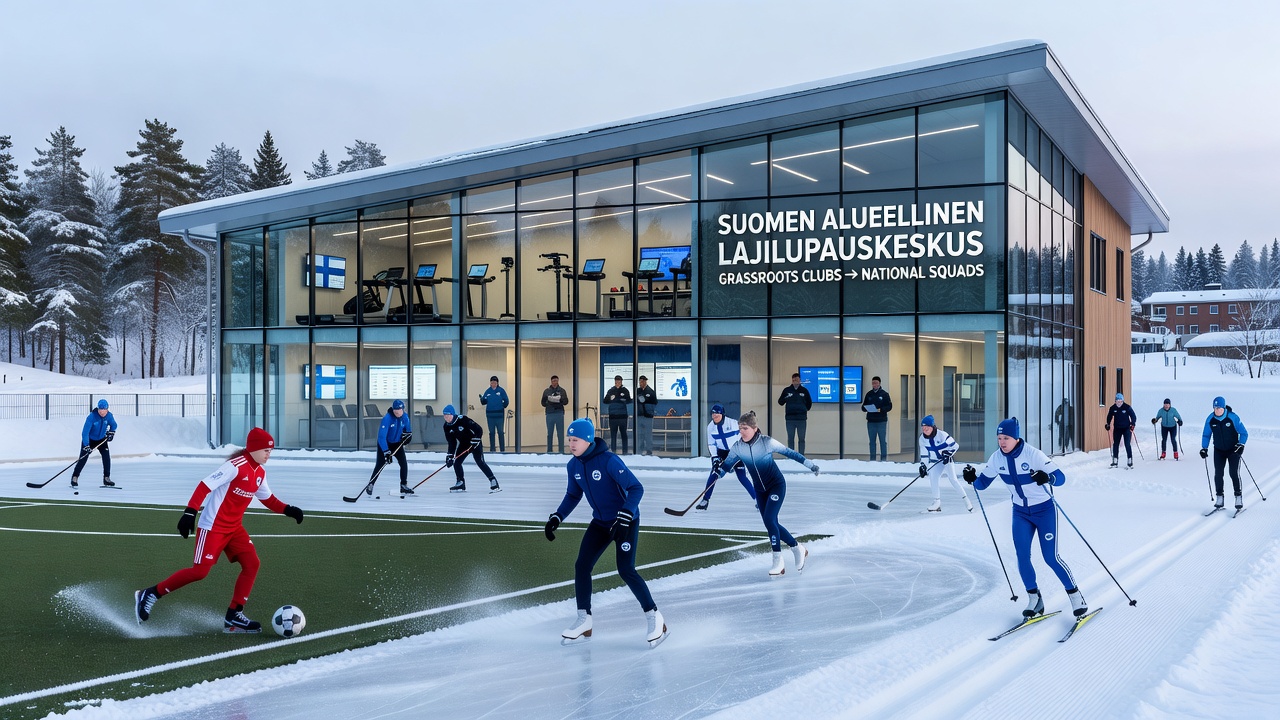
Finland's Grassroots Clubs That Double as Talent Filters for National Squads in Multiple Disciplines
Local clubs across Finland operate as entry points where athletes aged 8 to 18 develop skills in ice hockey, football, and athletics before advancing to national squads, and these organizations track performance metrics that align with federation selection criteria. Data from the Finnish Olympic Committee shows that over 60 percent of current national team members in winter and summer disciplines began at such clubs, where coaches record timing splits, endurance benchmarks, and tactical awareness during regular sessions.
Club Structures and Identification Processes
Grassroots clubs in smaller municipalities maintain shared facilities that host ice hockey practices in the morning and athletics drills in the afternoon, while football matches fill evening slots, and this rotation allows the same athletes to participate in multiple sports without scheduling conflicts. Observers note that clubs like those in Jyväskylä and Oulu use standardized testing protocols developed in partnership with national federations to flag prospects who demonstrate transferable attributes such as explosive power or spatial awareness across disciplines.
Coaches submit quarterly reports that include video footage and quantitative data to regional scouts, and these submissions feed into a centralized database maintained by the Finnish Sports Federation. The process continues year-round because clubs integrate winter conditioning programs with summer competition schedules, which helps maintain athlete availability during key evaluation windows.
Cross-Discipline Talent Pathways
Football clubs in southern Finland often share training grounds with athletics clubs, allowing players identified for speed to transition into track events that build the explosive starts required for ice hockey breakaways. Research indicates that athletes who compete in both football and athletics events show measurable improvements in agility scores tracked by national team analysts ahead of international qualifiers.
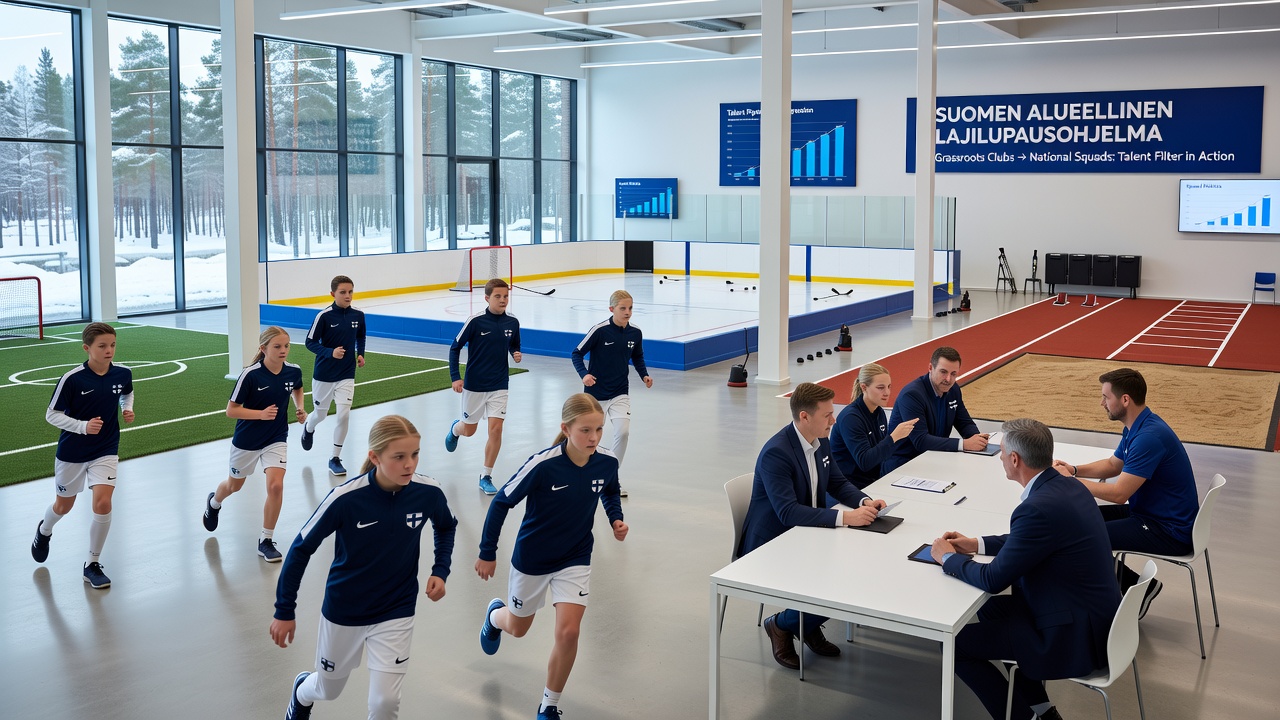
National squad selectors review club-level performance logs during periods leading up to major events, including preparations for the 2026 Winter Olympics qualification cycle that begins in November 2026. Clubs receive guidance from federation liaison officers who visit monthly to align local training plans with emerging squad requirements, and this coordination reduces duplication while expanding the pool of evaluated athletes.
Regional Examples and Data Integration
In Lapland, clubs combine cross-country skiing elements with ice hockey fundamentals because the cold climate extends indoor rink time, yet athletes still compete in summer athletics meets that supply endurance data used for football national team selections. Figures from regional sports reports reveal that clubs in these areas contribute a disproportionate share of multi-sport athletes to senior squads because of the consistent overlap in training environments.
Academic studies from institutions such as the University of Western Ontario have examined similar multi-sport models and found that early exposure across disciplines correlates with longer careers in elite competition, and Finnish clubs apply comparable principles through their integrated schedules. Another source, the Australian Institute of Sport, publishes annual reviews on talent pathways that highlight how club-level data collection supports national team decisions in comparable cold-weather nations.
Coordination Mechanisms and Future Outlook
Federations hold annual workshops where club representatives learn updated evaluation rubrics that incorporate GPS tracking and biomechanical analysis, and these tools help distinguish athletes suited for national call-ups across ice hockey, football, and athletics. The system relies on voluntary participation from clubs, yet participation rates remain high because clubs gain access to equipment grants tied to data submission compliance.
By November 2026, updated protocols are expected to incorporate real-time sensor data from club sessions into national databases, which will allow selectors to monitor recovery metrics and workload across disciplines without requiring athletes to travel for centralized testing. This approach maintains the grassroots foundation while scaling identification efforts to meet international competition demands.
Conclusion
Finland's grassroots clubs continue to serve as primary talent filters by embedding performance tracking into everyday training across multiple disciplines, and the resulting data streams support national squad selections through established federation channels. The model demonstrates how local structures can feed directly into elite pathways when standardized metrics and seasonal coordination remain in place.